


OCEARCH Shark Tracker™
3.91.02K Reviews
App Specs
- Version
- 3.2.4
- Updated On
- License
- Free
- Downloads
- 1,000,000+
- Developer
- Ocearch.org
- Categories
- Maps & Navigation
- Platform
- Android, iOS
Screenshots
 Analysis by AppCompare
I like the idea of opening a map and seeing the ocean as a place animals move through, rather than an empty blue backdrop. OCEARCH Shark Tracker™ turns that curiosity into something you can follow on a phone: you can explore shark and marine-animal tracking information and learn about the creatures behind the marks on the map. It is a niche kind of navigation app, not a tool for finding your way around town, and its appeal depends on wanting to check in on wildlife rather than reach a destination.
That distinction matters when you decide whether it belongs on your home screen. I would recommend it to people who enjoy marine life, teachers looking for a discussion starter, and families who like following a story over time. If you expect a conventional navigation app with route planning, turn-by-turn directions, or a dependable live feed of every animal, this is not the right fit. Its map invites exploration, but the information is tied to animal tracking and network access, so I treat it as an educational window rather than a real-time ocean surveillance tool.
Following animals through a connected map
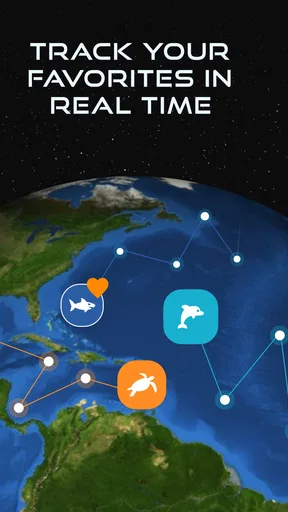
First things first, OCEARCH Shark Tracker™ is available for both Android and iOS, making it easily accessible for most smartphone users. Once you download and open the app, you’re greeted with an interactive map that showcases the locations of various tagged sharks. The interface is intuitive, allowing you to zoom in and out and explore the ocean in a way you probably never have before.
Features that Hook You
One of the standout features of this app is the ability to track individual sharks. Each shark is equipped with a unique tracking tag, and you can follow their journey across the oceans. The app provides detailed information about each shark, including their name, size, species, and the date they were tagged. It’s like having a personal connection with these majestic creatures.
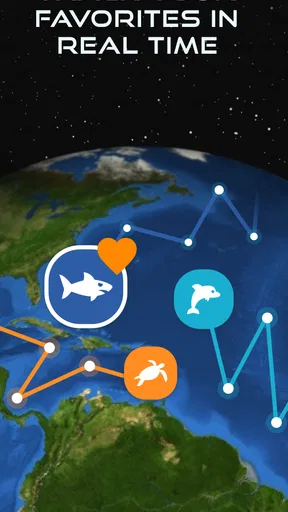
Another feature that blew me away is the real-time data updates. Every time a shark surfaces and pings the satellite, the app updates their location. This means you can track their movements and see if your favorite shark has made any unexpected stops along the way.
Why Sharks? Why Now?
In case you’re wondering why anyone would want to track sharks, the answer is simple: conservation and education. By following these animals, researchers can gather crucial data that helps in understanding their behavior and migration patterns. This information is vital for developing strategies to protect them and their habitats. And for us regular folks, it’s a chance to learn more about these often-misunderstood creatures.
User Experience: Smooth Sailing or Rough Waters?
Using the app is pretty straightforward, but I did encounter a few hiccups. Occasionally, the map can be a little slow to load, especially if there are a lot of sharks in one area. However, this didn’t detract much from the overall experience. The design is sleek and user-friendly, making navigation a breeze.
Worth Reading Before You Choose

EA SPORTS FC Mobile 26 Is a Bigger Football Game, but It Takes Time

Flipboard Shows What News Apps Must Do Beyond the Feed

Switching to Android Auto Means Rethinking Your Driving Routine

Google Calendar Makes a Crowded Week Easier to Manage

Ludo King Makes the Most of the Minutes Between Plans

Baby Panda World Brings Quick Play to Modern Phones, but Its Game Library Feels Busy
In practice, that loading delay changes how I use the map. I tend to zoom out first to get a broad sense of the tracked animals, then zoom in on one area or individual rather than rapidly panning across the globe. That is a small but useful habit on a slower connection: it gives the map a moment to catch up and makes the screen easier to read. If a location does not appear to move while I am watching, I do not assume the animal has stopped; a tracker’s signal depends on the animal surfacing, and a map pin is a report, not a continuous view of every movement.
When a connection is part of the experience
Because the core experience is a map with changing animal information, connectivity affects more than convenience. A weak signal can make the map feel hesitant, and a fresh location may not be available at the moment you check. I find it works best when I have a stable connection and a little time to explore, rather than when I am trying to load it quickly between other tasks. If the map stalls, I close the view and try again after the connection improves; repeatedly tapping around usually adds frustration without making new tracking information appear.
That also shapes how I would use it while travelling. On a train, at a beach, or in a waiting room, it can turn a spare few minutes into a wildlife check-in, provided the phone can reach the network. I would not rely on it as an activity that must work at a particular moment, such as a live demonstration with no backup plan. For a classroom or family conversation, I would open the map ahead of time and choose an animal or region to discuss, so the lesson does not depend on a fresh update arriving on cue.
Making the map useful without overreading it
A practical way to get more out of the tracker is to follow one animal’s reported journey rather than treating the whole map as a scoreboard. A single mark can prompt better questions: where has this shark appeared over time, what might a stretch of coastline mean in its route, and how does its path change the way I think about the animal’s habitat? The app is most interesting when those questions lead to learning, not when I expect a precise account of what the shark is doing at this instant.
For a data-conscious routine, I open it when I actually want to explore instead of leaving the map on screen while I do something else. That keeps the experience intentional and avoids spending time waiting for a location to change. If I am using mobile data, I also keep the map view focused instead of repeatedly loading wide areas; it is a sensible habit for any network-based map, though the app’s behavior will depend on the connection and device. I would not interpret an old-looking pin as a tracking failure without considering how satellite pings work.
Who will enjoy it, and who may not
This is an easy recommendation for a curious reader who likes animals, maps, and conservation stories. It can give a child a concrete starting point for asking why researchers track wildlife, or help an adult turn a quick phone check into a longer read about marine life. A useful everyday example is checking it over breakfast, choosing one tracked animal, and then bringing that path into a conversation later in the day. The value is less about constant action and more about letting a real animal’s reported movements make the ocean feel closer.
By contrast, I would steer away anyone who wants a conventional navigation substitute, guaranteed instant updates, or a busy entertainment app with something new happening every time it is opened. It is also not ideal for someone who gets impatient with map loading or wants a precise, uninterrupted live position. Compared with general map apps, it trades practical directions and broad location tools for a specialized wildlife perspective. Compared with general marine-life reading, the map gives the subject a spatial dimension, but it does not replace deeper research or explain every point by itself.
Practical expectations before you install
The app is free to download, though in-app purchases are offered, with items ranging from about five to thirty dollars. Its Everyone age rating makes it suitable for a broad audience, and it has reached over a million installs, with an average rating of 3.9 from around 4,100 ratings. I see those figures as context, not a promise that every user will have the same experience: the appeal is unusually specific, and map performance can vary with network conditions.
OCEARCH.org is the developer, and the app’s current version is 3.1.17; it runs on Android 7.0 and later. Those details make it easier to judge basic compatibility before downloading. The key question is not whether it can replace another map, but whether you will enjoy returning to a focused view of tracked marine animals. I would install it for curiosity and learning, while keeping expectations modest about timing and signal freshness.
News, learning, and the limits of a pin
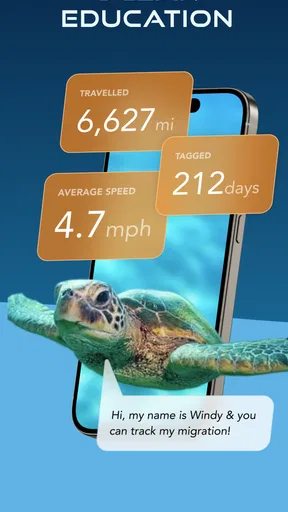
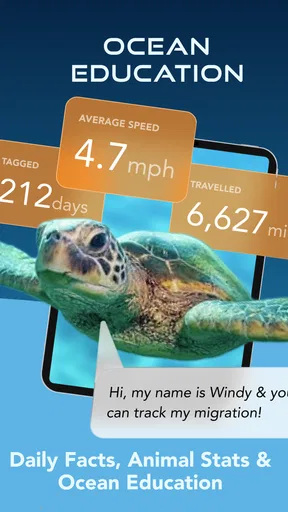
For those interested in deeper engagement, the app also offers news updates and educational content about marine life and conservation efforts. It’s a great way to stay informed and feel like you’re part of a broader community dedicated to ocean health.
That extra context helps balance the map, because a location alone can be easy to misread. I would use the educational material to frame what I am seeing, especially if I am sharing the app with someone who is new to shark tracking. A reported point does not tell the whole story of an animal’s health, behavior, or surroundings; it is one piece of a much larger picture. This is why I find the tracker more rewarding as a prompt for learning than as a stream to monitor minute by minute.
My connectivity verdict
If you’re a marine life enthusiast or simply curious about the mysterious world of sharks, OCEARCH Shark Tracker™ is a must-have app. It’s not only entertaining but also educational, offering a unique perspective on the lives of these incredible creatures. Plus, by using the app, you’re supporting efforts to protect and preserve our oceans.
So, whether you’re tracking your favorite shark or learning about conservation efforts, this app makes it easy to be part of something bigger. And who knows, maybe you’ll find yourself inspired to dive deeper into marine conservation. So, go ahead, download the app, and take a swim with the sharks. It’s an adventure you won’t soon forget!
Pros
- Real-time shark tracking for education.
- User-friendly interface with intuitive design.
- Provides detailed information on each shark.
- Interactive map with zoom and pan features.
- Supports marine conservation awareness.
Cons
- Requires internet for real-time updates.
- Limited to shark tracking
- lacks other marine life.
- Occasional app crashes reported by users.
- Battery drain due to GPS usage.
- Ads can be intrusive at times.
FAQs for OCEARCH Shark Tracker™
What is OCEARCH Shark Tracker™ and how does it work?
OCEARCH Shark Tracker™ is an innovative app that allows users to follow the real-time movements of tagged sharks. Utilizing satellite tracking technology, the app provides detailed maps and information about each shark's journey. Users can explore migration patterns, learn about different shark species, and gain insights into marine conservation efforts.
Is the OCEARCH Shark Tracker™ app free to use?
Yes, the OCEARCH Shark Tracker™ app is free to download and use on both Android and iOS platforms. While the app provides a wealth of information at no cost, users are encouraged to support OCEARCH’s research and conservation efforts through donations or by purchasing merchandise.
What kind of data does OCEARCH Shark Tracker™ provide about the sharks?
The app provides comprehensive data on each tracked shark, including its species, size, and tagging location. Users can access a shark's recent movements, historical paths, and dive profiles. Additionally, the app offers educational content about shark behavior and the importance of shark conservation.
How often is the shark location data updated in OCEARCH Shark Tracker™?
Shark location data in the OCEARCH Shark Tracker™ app is updated each time a tagged shark's dorsal fin breaks the surface and transmits a signal to a satellite. Updates can vary depending on the shark's behavior and environment, but the app strives to provide the most recent data available.
Can I track individual sharks or specific species using OCEARCH Shark Tracker™?
Yes, the app allows users to track individual sharks and filter their searches by specific species. This feature enables users to follow particular sharks’ journeys and learn more about the behaviors and habitats of different shark species, enhancing the educational experience offered by the app.


